Senior Dog Mobility & Home Comfort
Helping Everyday Life Feel a Little Easier
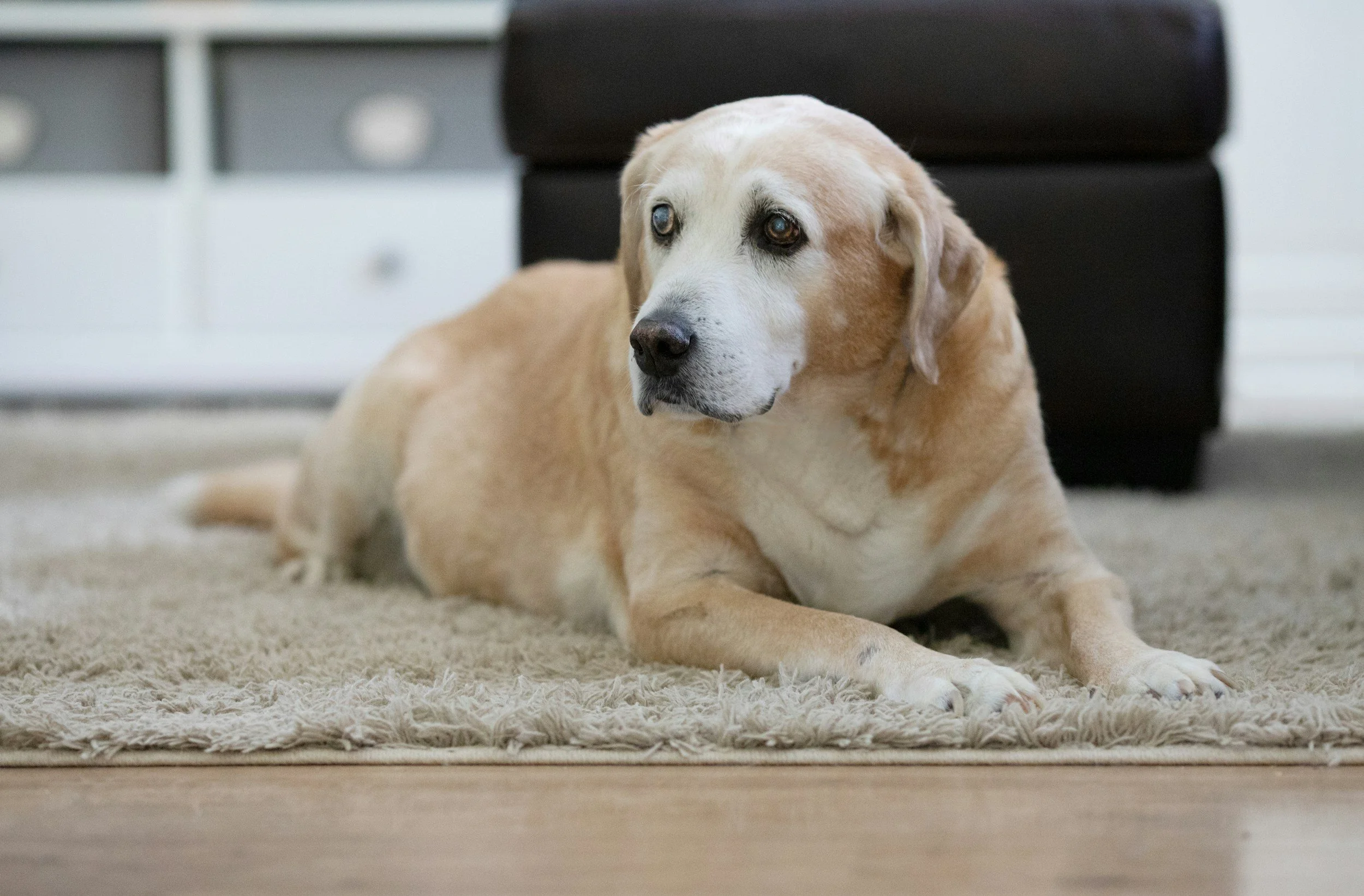
Sometimes aging doesn't announce itself with one dramatic change.
Instead, you start noticing little things.
Your dog takes an extra moment before standing up.
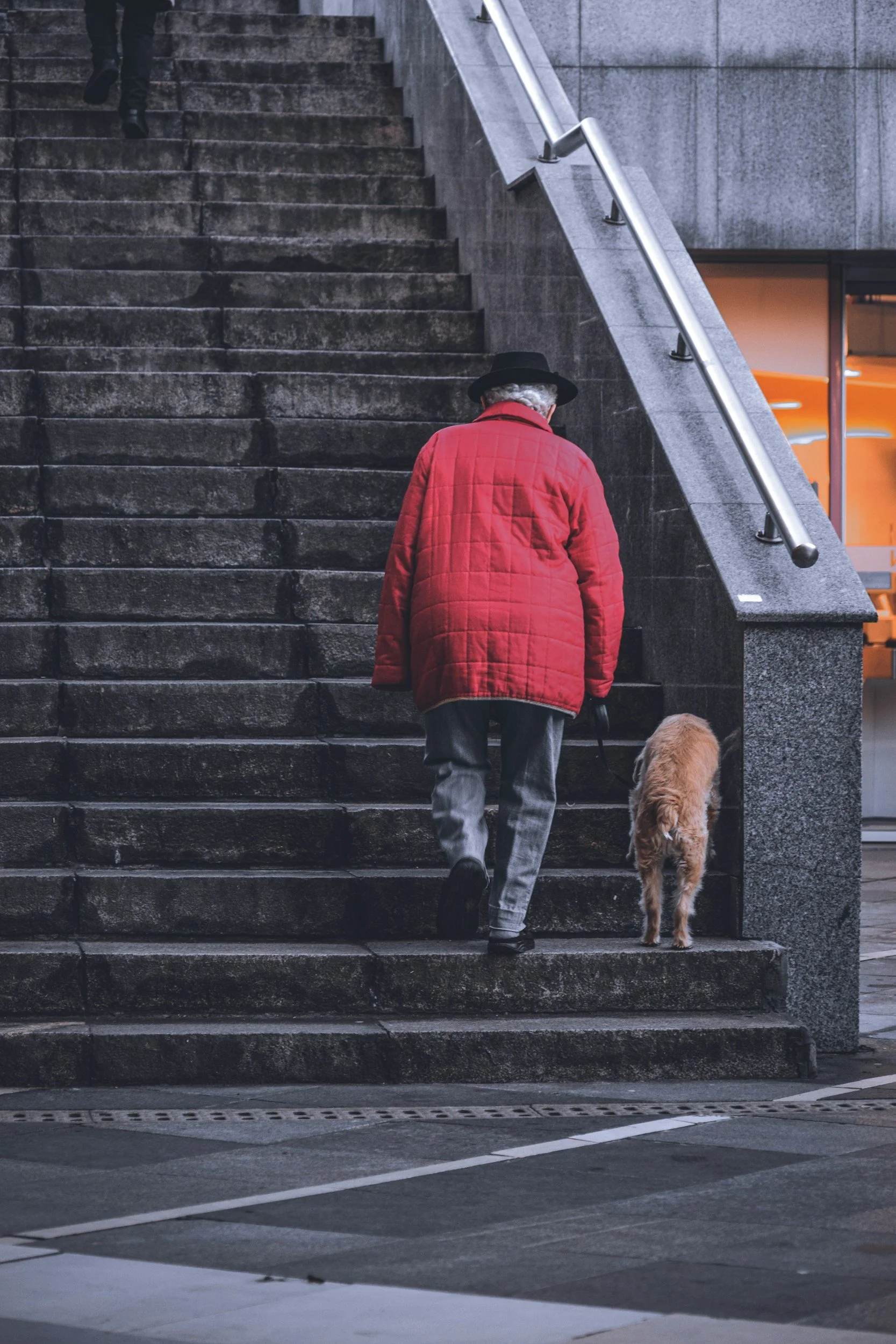
They pause at the bottom of the stairs.
Their feet slide on the kitchen floor.
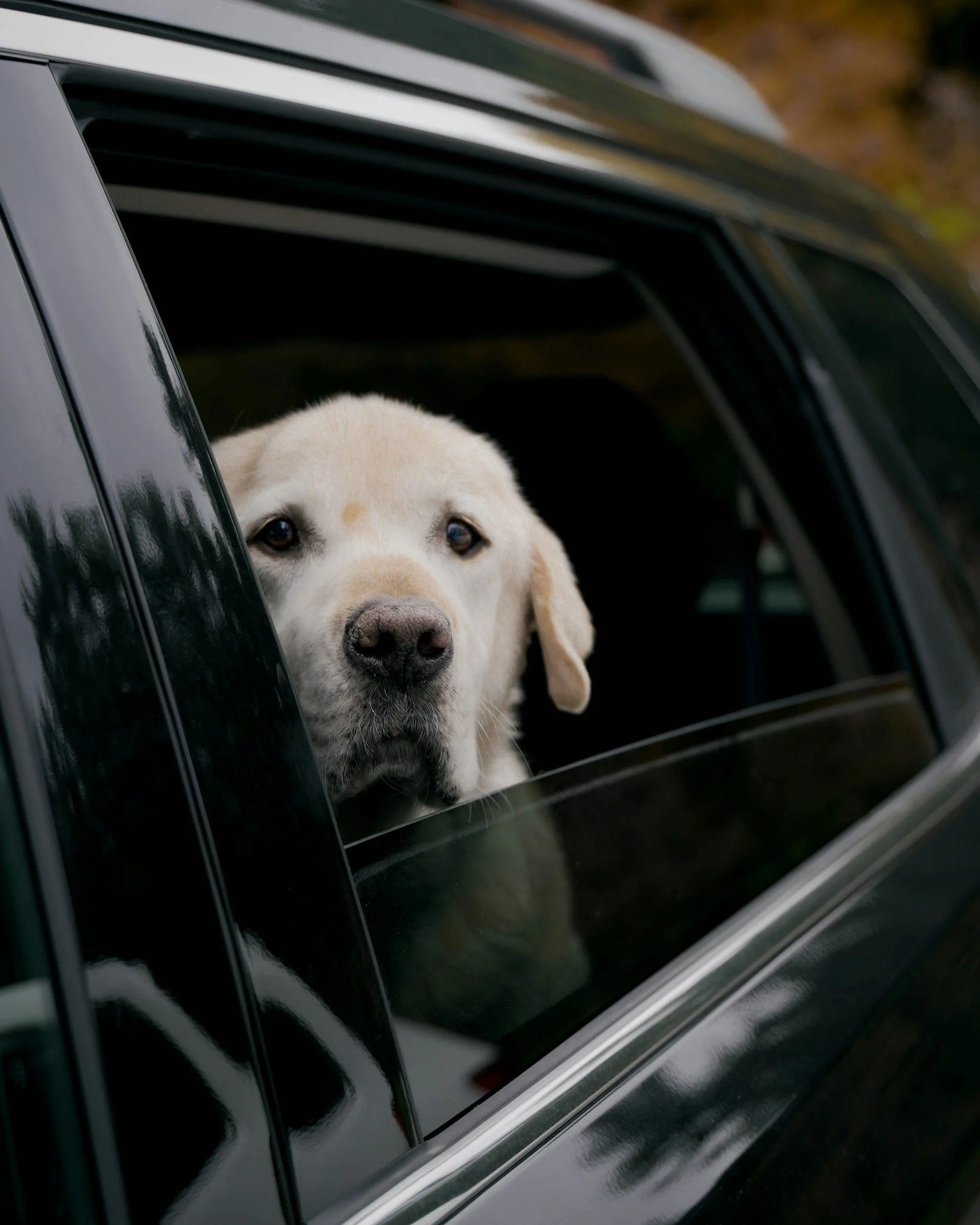
They look at the back seat of the car instead of jumping in.
They stop sleeping in a favorite spot because getting there has become difficult.
Or maybe they simply look to you for help with something they've done independently for years.
These changes can be emotional to watch—but noticing them also gives us an opportunity to adapt.
At Willow Paws, my approach to senior-dog mobility isn't about asking an aging body to move like a young one.
It's about asking:How can we make everyday life more comfortable, accessible, and supportive for the dog they are today?
Mobility Is About More Than Walking
When we hear the word mobility, it's easy to think only about whether a dog can walk.
But mobility affects so much of everyday life.
It can influence how easily your dog:
gets up after sleeping
settles back down comfortably
walks across different flooring
navigates stairs and thresholds
goes outside to potty
gets into and out of a vehicle
reaches favorite areas of the home
maintains footing while eating or drinking
changes position while resting
participates in family routines
Sometimes improving a dog's day isn't about getting them to walk farther.
Sometimes it's about making the path to the water bowl less slippery.
Changes Worth Paying Attention To
You know your dog better than anyone.
Small changes in their normal routine can provide useful information about how they're navigating daily life.
You might notice:
taking longer to rise
repeated attempts to stand
slipping or scrambling on smooth floors
hesitation before stairs or steps
avoiding certain rooms
difficulty getting into or out of the car
walking more slowly
tiring sooner
changes in posture
changing sleeping locations
difficulty settling into a comfortable position
needing assistance with everyday activities
becoming less willing to participate in activities they previously enjoyed
These observations don't tell us why something is happening, and they aren't a diagnosis.
They are information.
New, sudden, significant, or worsening changes in mobility should always be discussed with your veterinarian.
Start With the Environment
Sometimes the Home Can Adapt to the Dog
One of the most empowering things about caring for an aging dog is realizing that we don't always have to ask the dog to adapt.
Sometimes we can adapt the environment instead.
Take a walk through your home from your dog's perspective.
Where do they sleep?
Where do they eat?
How do they get outside?
What flooring do they cross?
Are there stairs between them and something they need?
Do they have to jump into a vehicle?
Can they comfortably access the places where the family spends time?
A few thoughtful changes can sometimes make every day routines feel much more manageable.
Traction & Slippery Floors
Smooth flooring can become challenging for some aging dogs.
Hardwood, laminate, tile, and other slick surfaces may make it more difficult for a dog to feel secure while standing, turning, or getting up.
Consider creating traction pathways between the places your dog uses most.
That might mean strategically placing:
non-slip runners
area rugs with secure backing
traction mats
yoga-style mats
other stable, non-slip surfaces
Pay particular attention to:
Bed → water → food → door → favorite family area.
You don't necessarily need to cover the entire house.
Think about creating a safe little highway through your dog's world.
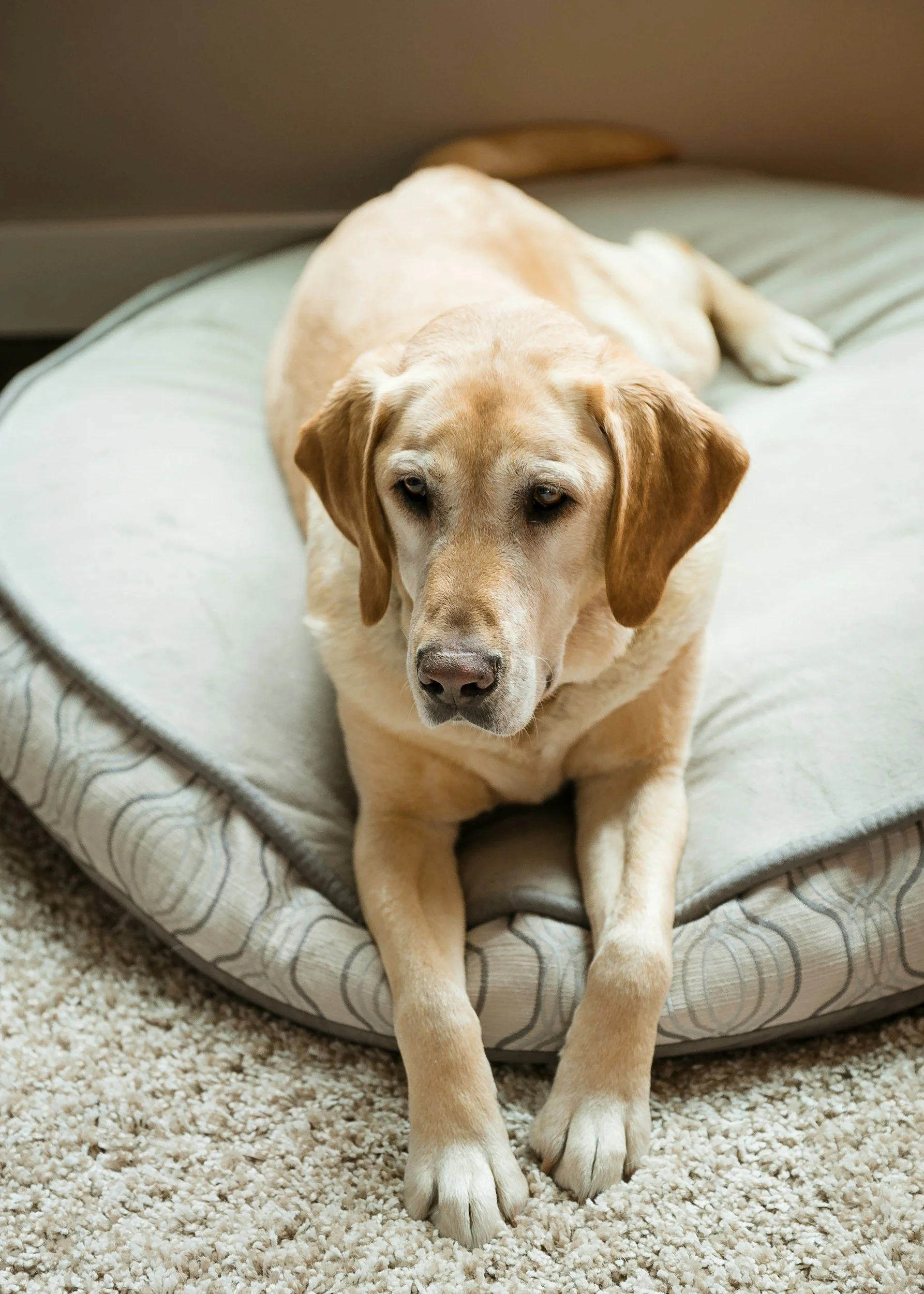
Resting & Sleeping Areas
Senior dogs often spend more time resting, which makes the location and accessibility of their resting spaces especially important.
Consider whether your dog's bed:
is easy to step into and out of
provides appropriate support and comfort
sits on a non-slip surface
is located away from difficult stairs
allows your dog to remain near the family
can be accessed without jumping
Sometimes dogs stop using a favorite sleeping spot not because they no longer like it—but because getting there has become harder.
Stairs, Steps & Thresholds
Stairs that were once effortless may become more challenging with age.
Watch how your dog approaches them.
Do they hesitate?
Rush?
Slip?
Pause halfway?
Avoid them altogether?
Depending on your dog's needs and your veterinarian's recommendations, management may include limiting access, improving traction, supervising stair use, or exploring an appropriate ramp or other accessibility solution.
Sudden difficulty with stairs or a significant change from your dog's normal ability should be discussed with your veterinarian.
Getting Into & Out of the Car
For many dogs, car rides mean something wonderful.
But jumping into or out of a vehicle can become difficult as mobility changes.
Depending on your dog's size, abilities, vehicle, and veterinary recommendations, options may include:
ramps
steps
supportive harnesses
assisted entry and exit
changing how or where your dog rides
For large senior dogs especially, planning ahead can make a tremendous difference.
It's much easier to learn how to safely assist your dog before they urgently need that assistance.
Mobility Harnesses & Support
A well-designed mobility harness can give caregivers safer, more practical ways to assist a dog who needs additional support during everyday activities.
This is an area that became particularly meaningful to me through my work with senior dogs.
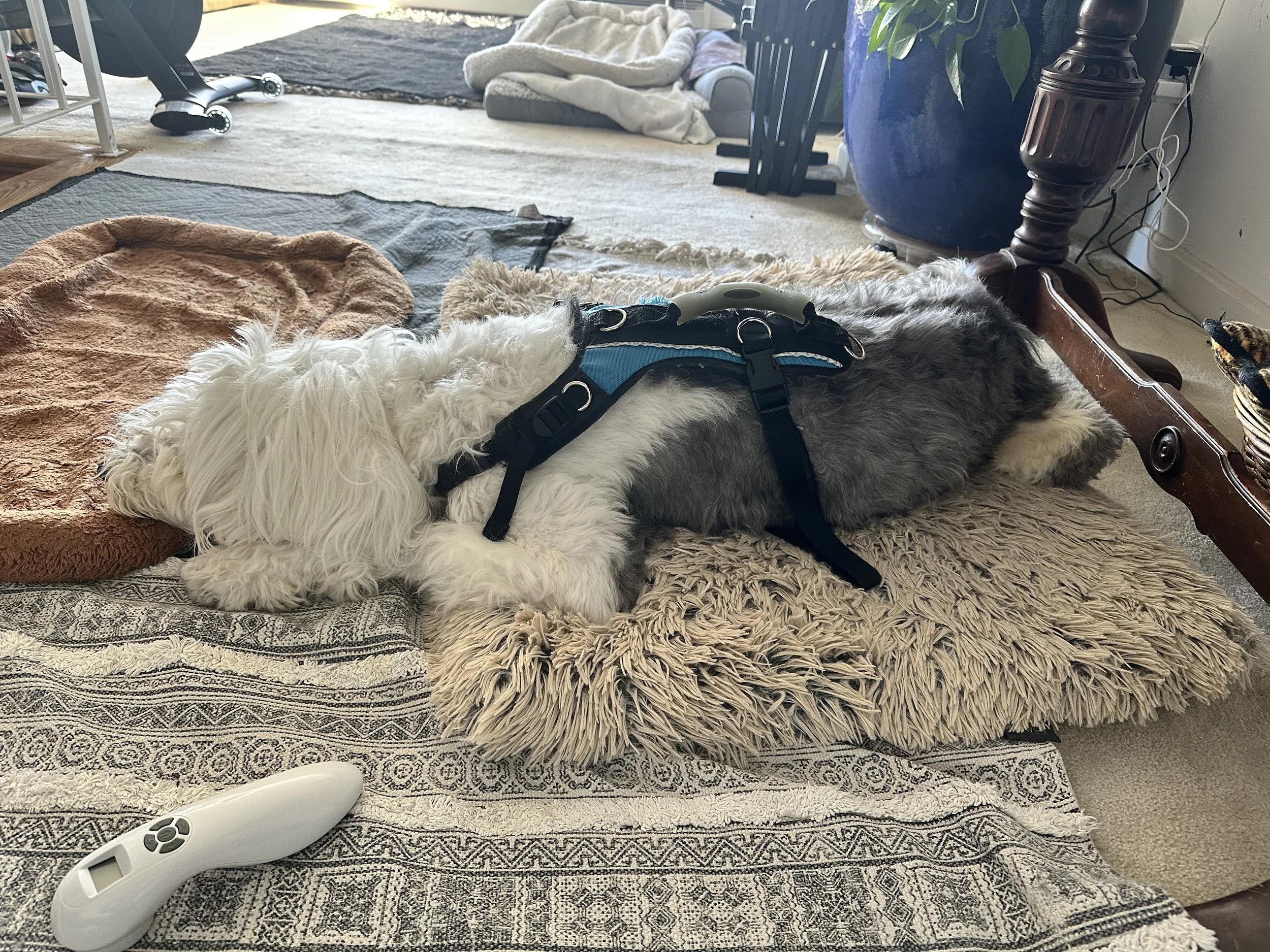
One of my longtime clients, Chico, was a large Old English Sheepdog. As he aged and needed more assistance getting up and moving around, his family used a Help 'Em Up Harness to support him.
Seeing a mobility harness used in real life with a large senior dog helped me appreciate just how valuable the right equipment can be, not only for the dog, but for the person trying to safely help them.
Today, mobility equipment is one of the areas I continue to study as Willow Paws expands its senior-dog focus.
Individual mobility needs vary. Your veterinarian or veterinary rehabilitation professional can help determine whether a particular mobility aid is appropriate for your dog's condition.
Wheelchairs & Mobility Equipment
Mobility equipment can sometimes help dogs continue participating in everyday life when independent movement becomes more difficult.
Wheelchairs and other devices are not appropriate for every dog, and choosing and fitting equipment should take the individual dog's health, abilities, body measurements, and veterinary recommendations into consideration.
I have completed the Walkin' Wheels Certification Program as part of my continuing education in canine mobility equipment.
My role is educational and supportive.
I do not provide veterinary rehabilitation or diagnose the cause of mobility problems. When specialized evaluation or rehabilitation is needed, I encourage families to work with their veterinarian or a qualified veterinary rehabilitation professional.
Comfort Is Individual
There is no universal checklist that defines a “good” senior-dog day.
For one dog, it might mean taking a leisurely walk around the block.
For another, it may mean comfortably walking into the backyard.
For another, it could mean getting up with assistance, eating breakfast, finding the perfect sunny spot, and spending the afternoon surrounded by their people.
That's why I don't believe senior-dog support should be about comparing one dog to another.
The question is:
What helps this dog participate comfortably in the life they enjoy?
That's the dog I want us to pay attention to.
Keep a Simple Mobility Journal
When we see our dogs every day, gradual changes can be difficult to recognize.
Consider occasionally noting things such as:
how easily your dog gets up
comfort navigating familiar flooring
stairs or steps
length and enthusiasm of walks
assistance needed during everyday routines
changes in sleep or resting locations
activities they're choosing or avoiding
particularly good days
particularly difficult days
These observations can also give you useful information to share with your veterinarian.
The Willow Paws Learning Center
When It's Time to Call the Veterinarian
Mobility changes can have many possible causes, which is why Willow Paws does not diagnose them.
Contact your veterinarian if you notice a new, sudden, significant, or concerning change such as:
sudden inability or reluctance to stand or walk
significant or persistent limping
sudden weakness
dragging or knuckling of a limb
unexplained crying, trembling, or signs of distress
loss of balance
collapse
sudden change in coordination
unexplained swelling
injury or trauma
loss of bladder or bowel control
any significant change from your dog's normal movement or behavior
When something doesn't feel right, veterinary evaluation comes first.
Building Your Senior Dog's Support Team
You don't have to navigate aging alone.
Depending on your dog's individual needs, their support team might include:
Your Veterinarian
For medical evaluation, diagnosis, treatment, medications, and overall health management.
Veterinary Rehabilitation Professionals
For rehabilitation assessment and individualized therapeutic rehabilitation when appropriate.
Canine Massage & Supportive Wellness Professionals
For complementary comfort and wellness services within their professional scope.
You
The person who sees your dog every day and notices the little things.
I believe the best senior-dog support happens when each person respects their role, communicates appropriately, and keeps the dog's quality of life at the center of the conversation.
Willow Paws Is Growing With Our Senior Dogs
Willow Paws began with canine massage.
My senior clients taught me to look beyond the massage session.
They made me curious about mobility.
Home environments.
Caregiver challenges.
Adaptive equipment.
Comfort.
And all the little adjustments families make because they love an aging dog.
That's why Willow Paws is expanding into Senior Dog Comfort • Mobility • Wellness, while continuing the gentle, individualized canine massage work at the heart of what I do.
My education in senior canine wellness and mobility is ongoing, and I'll continue sharing what I learn while staying firmly within my professional scope and referring to veterinary professionals when appropriate.
Because aging changes things.
But it doesn't change how deeply they're loved.
explore willow paws senior dog resources
I'm developing a growing library of practical resources for families caring for aging dogs, including:
home-comfort information
mobility resources
senior-dog observation tools
downloadable guides
the Willow Paws Senior Dog Comfort Journal
carefully selected products and resources
educational articles about aging, comfort, and canine massage
Explore Recommended Mobility & Comfort Products
Need Hands-On Support?
If you're local to Connecticut and would like to explore gentle canine massage and supportive wellness for your dog, I'd love to learn more about them.
Professional Disclaimer
Information provided by Willow Paws is intended for general educational purposes and supportive wellness only. Willow Paws does not diagnose medical conditions, prescribe treatment, provide veterinary medicine, physical therapy, or veterinary rehabilitation, or replace the advice or care of your veterinarian.
Mobility changes may have underlying medical causes. New, sudden, significant, or worsening changes should be evaluated by your dog's veterinarian.