
Recommended Mobility & Comfort Products
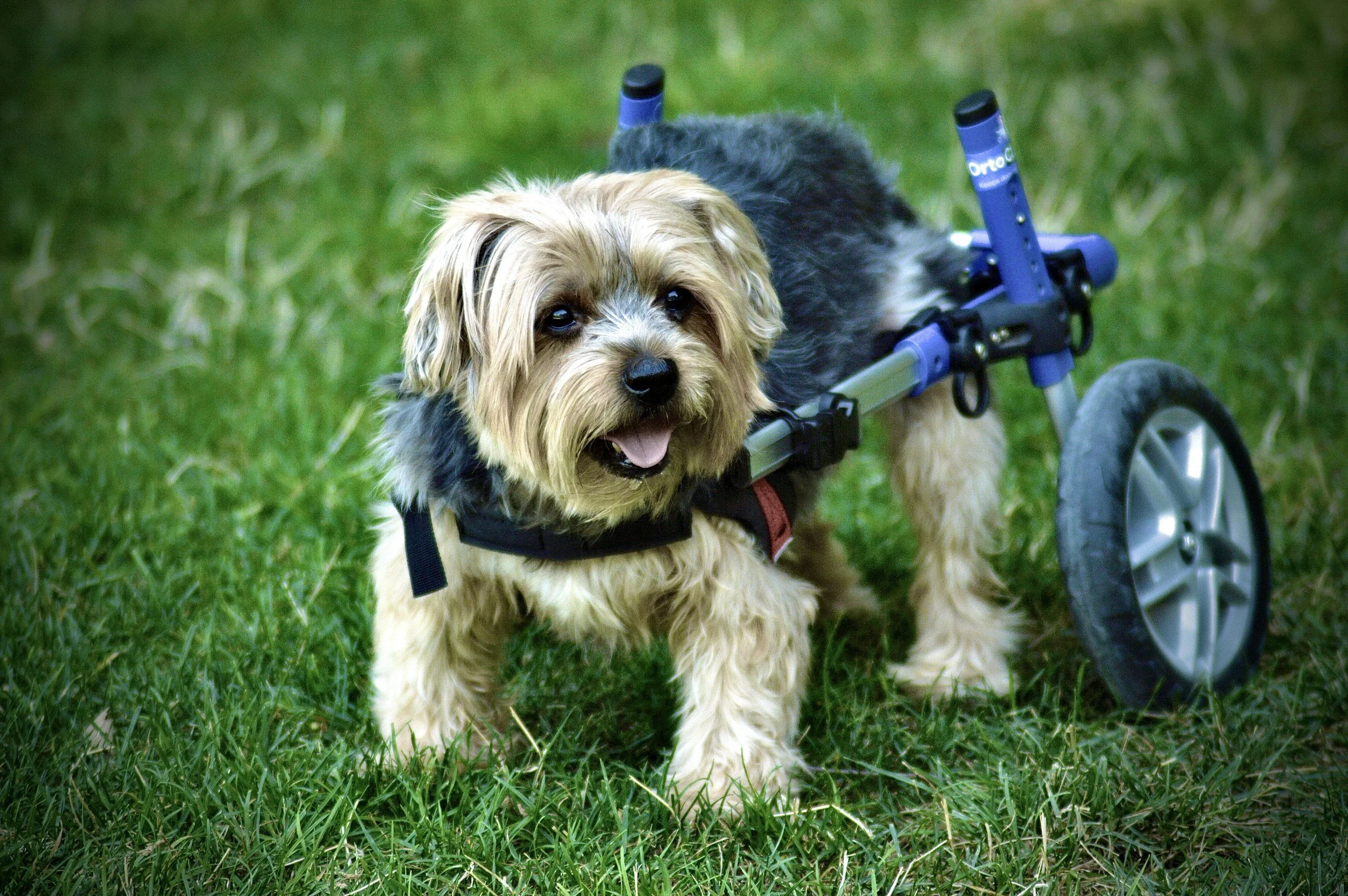
Thoughtful support for safer movement and more comfortable days
When a dog begins experiencing stiffness, weakness, arthritis, vision loss, or changes in mobility, the right supportive equipment can make everyday activities feel more manageable.
This page contains mobility and comfort products that may help dogs move more safely, maintain independence, and continue participating in the activities they enjoy.
Every dog is different. A product that works beautifully for one dog may not be appropriate for another, so consider your dog’s individual needs, comfort, diagnosis, strength, and home environment when choosing supportive equipment.
Partner disclosure: Willow Paws may receive reward points when you purchase through these Paw Prosper links, at no additional cost to you.Supportive Lifting Harnesses
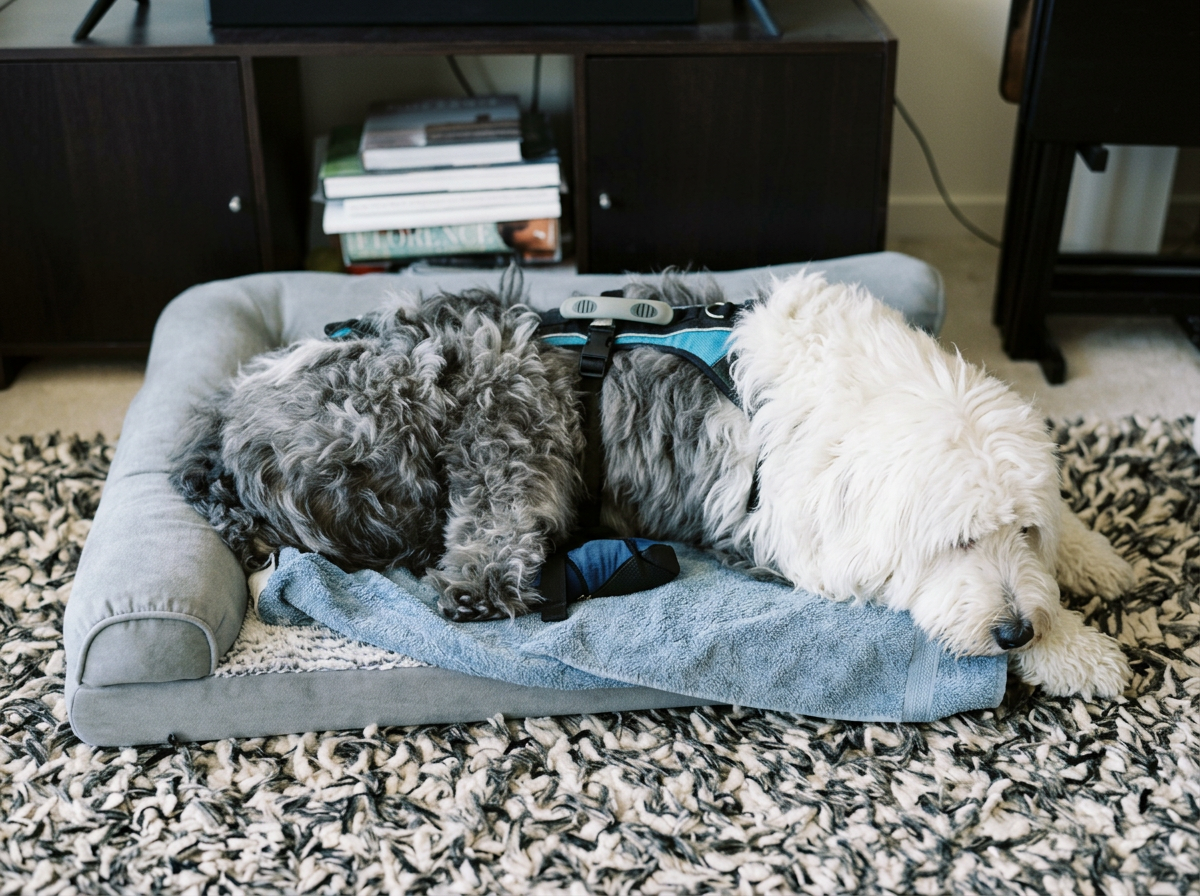
A supportive harness can give you a safer way to assist a dog who has difficulty:

Rising from the floor
Walking on stairs
Getting into a vehicle
Maintaining balance
Going outside for bathroom breaks
Managing hind-end or whole-body weakness

Unlike a standard walking harness, a mobility harness is designed to provide support beneath the dog’s body. Full-body options such as the Help ’Em Up Harness may be especially helpful for larger dogs or dogs who need support in both the front and hind end.

Proper fit matters. A harness should provide assistance without restricting natural movement, creating pressure points, or causing discomfort.Wheelchairs and Mobility Carts
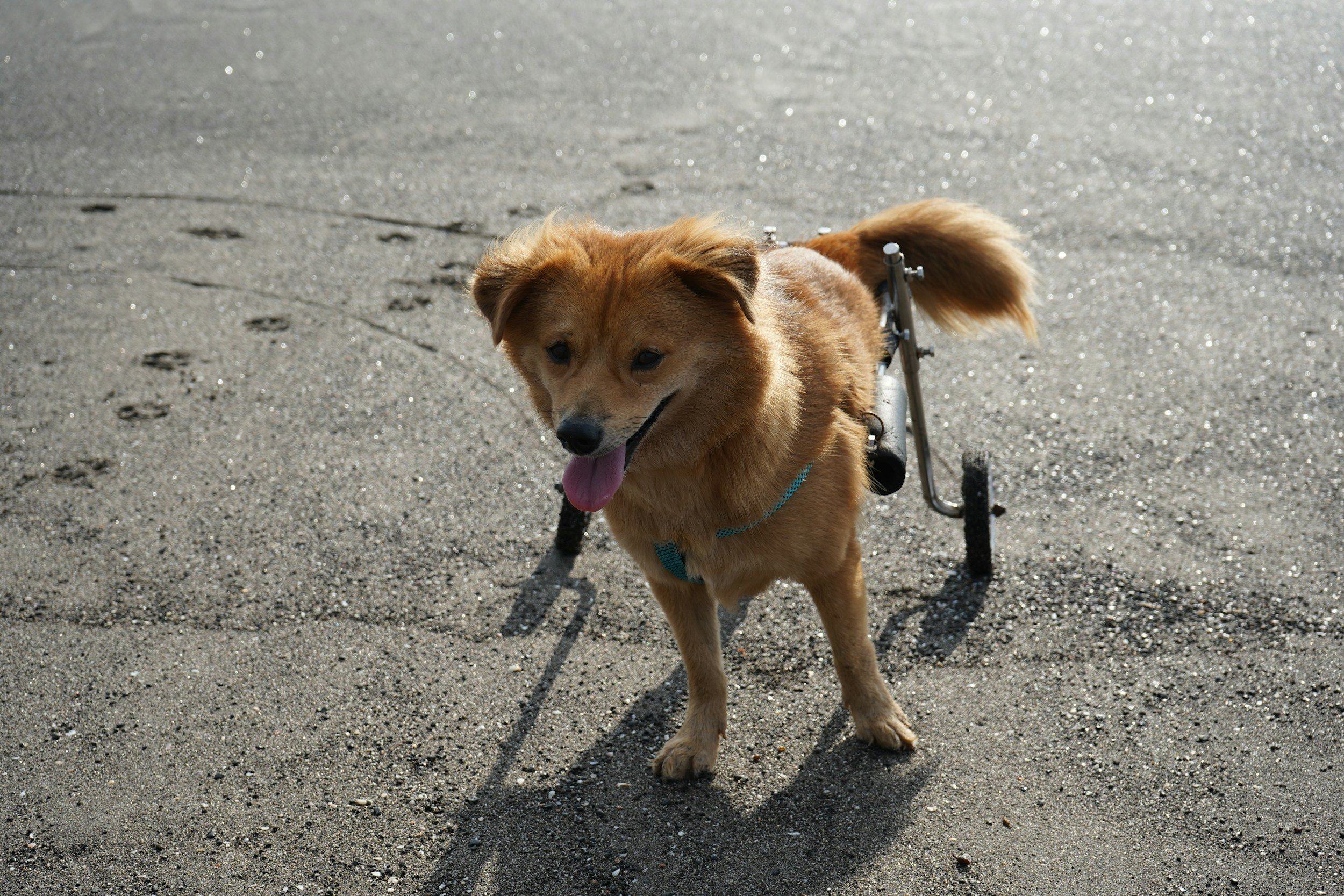
A mobility cart may help certain dogs remain active when walking independently has become difficult.

Paw Prosper carries adjustable and custom mobility options from Walkin’ Pets and K9 Carts, including rear-support and full-support designs. The appropriate cart depends on the dog’s condition, strength, measurements, and level of support needed.

A wheelchair should not be selected solely by appearance or approximate size. Please work with your veterinarian, veterinary rehabilitation professional, or the manufacturer’s fitting team to determine whether a cart is appropriate and to obtain accurate measurements.Fitness and Rehabilitation Equipment
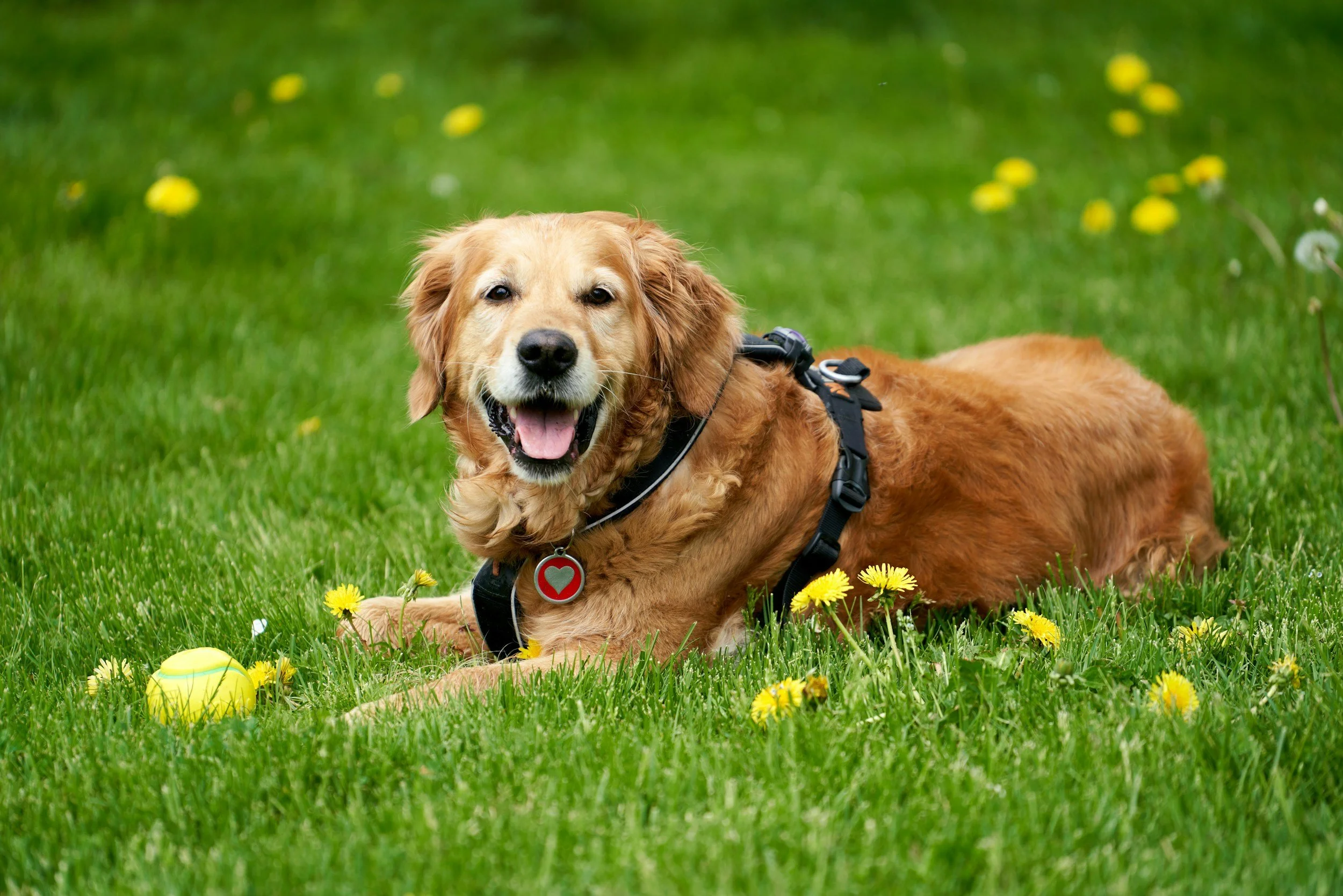
Balance discs, platforms, and other canine fitness tools may be used as part of a professionally designed conditioning or rehabilitation program.

These products can look deceptively simple, but the exercise, height, surface, duration, and number of repetitions all matter. An exercise that benefits one dog could be tiring, uncomfortable, or unsafe for another, particularly when arthritis, pain, neurological changes, or joint instability are present.

For that reason, Willow Paws recommends using canine fitness and rehabilitation equipment under the guidance of a veterinarian or qualified canine rehabilitation professional.
Support for Dogs with Vision Loss
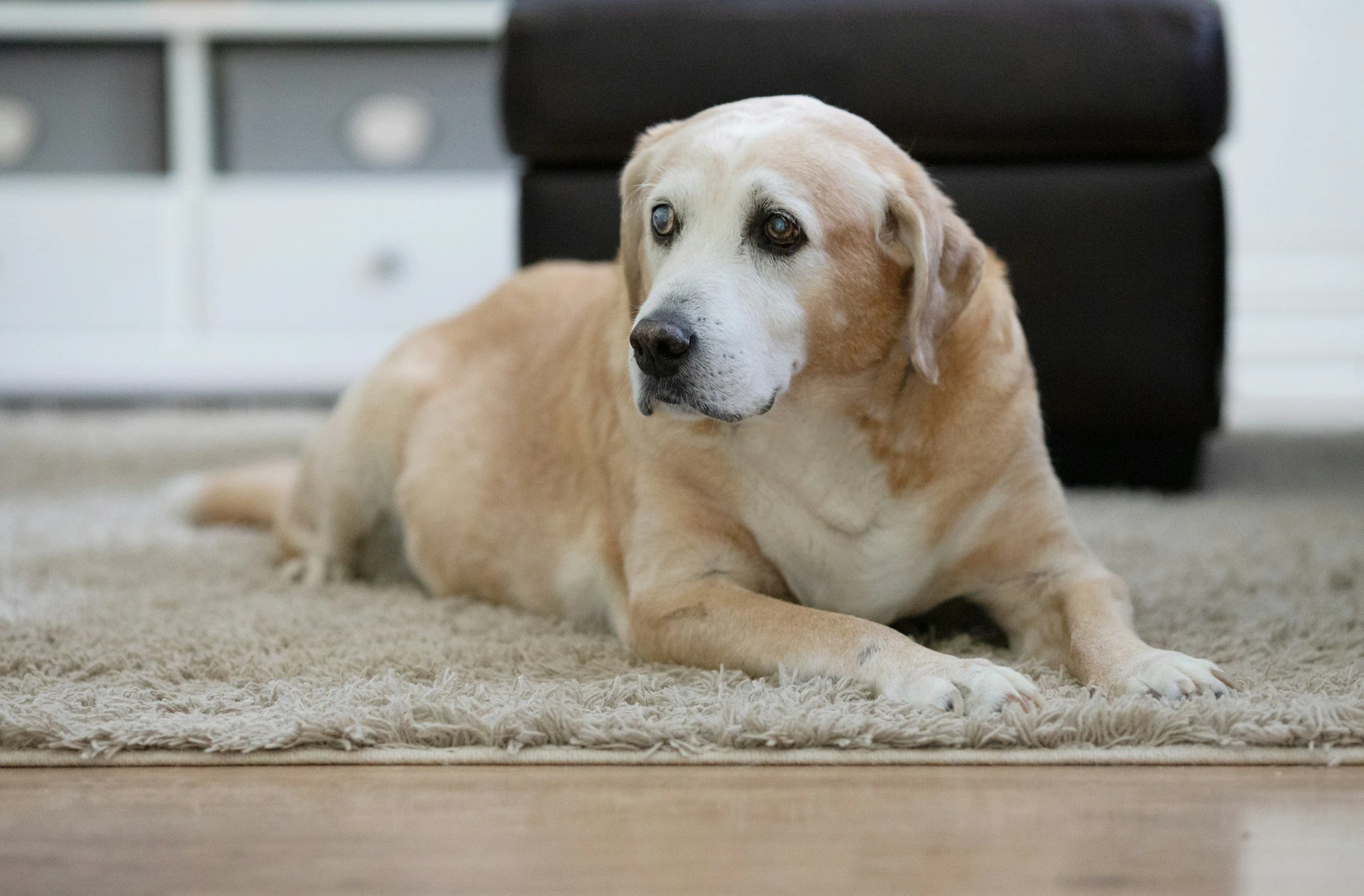
Dogs experiencing partial or complete vision loss may bump into furniture, walls, doorframes, or unfamiliar obstacles as they navigate their surroundings.

A protective halo can provide a buffer between the dog’s face and nearby objects, helping some dogs explore their environment with greater confidence. Paw Prosper carries Muffin’s Halo products created specifically for blind and visually impaired dogs.

Vision changes should always be discussed with your veterinarian, especially when they appear suddenly.Walking and Travel Safety
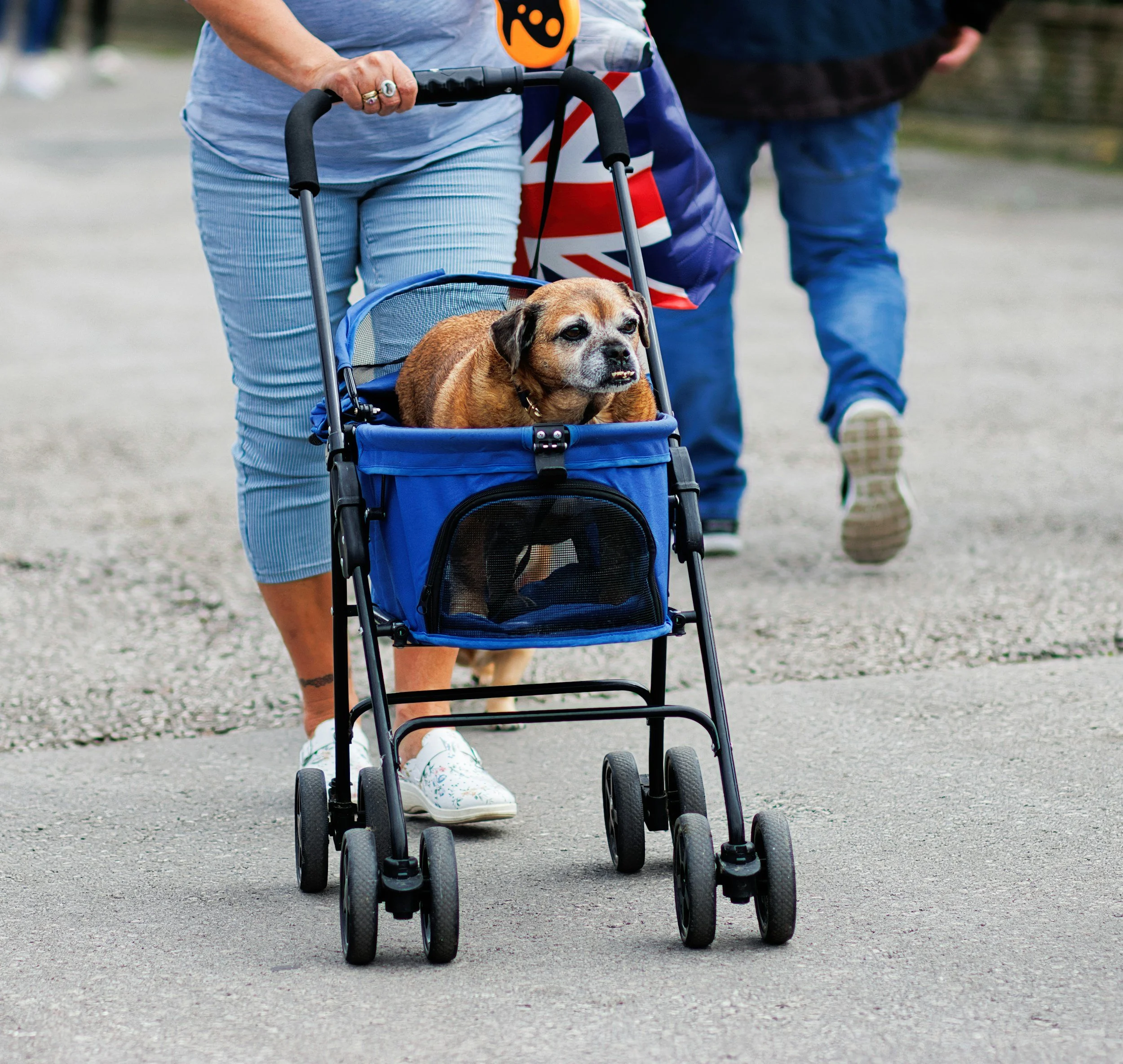
Comfort and mobility do not stop at the front door. A properly fitted walking harness, secure vehicle restraint, or supportive travel carrier may help make outings safer and less stressful.

Look for equipment that fits securely while allowing comfortable, natural movement. Your dog should be introduced to new equipment gradually and monitored for rubbing, shifting, restricted movement, or signs of stress.Choosing What Is Right for Your Dog
Before purchasing a mobility product, consider:
What activity is becoming difficult?
Does your dog need balance assistance, lifting support, or weight-bearing support?
Is the difficulty occasional or present throughout the day?
Can the product be fitted without causing pressure or restricting movement?
Has your dog’s veterinarian evaluated the change?
Will you need professional help with measuring, fitting, or safe use?
Mobility equipment should support your dog—not force the body through an activity that is painful or no longer safe.
When you notice a change in how your dog rises, walks, climbs, stands, or rests, begin by documenting what you see and speaking with your veterinarian.
A Note About These Recommendations
Willow Paws Canine Massage Therapy is a Paw Prosper partner. If you make a purchase through the links on this page, Willow Paws may receive reward points at no additional cost to you.
I share products and resources that I believe may support canine comfort, mobility, and safety. Inclusion on this page does not mean that every product is appropriate for every dog.
These recommendations are educational and are not a diagnosis, treatment plan, or substitute for veterinary care. Always consult your veterinarian or veterinary rehabilitation professional regarding unexplained pain, weakness, sudden mobility changes, medical equipment, or therapeutic exercise.